
Common Mistakes When Hiring a Window or Siding Contractor in New Jersey
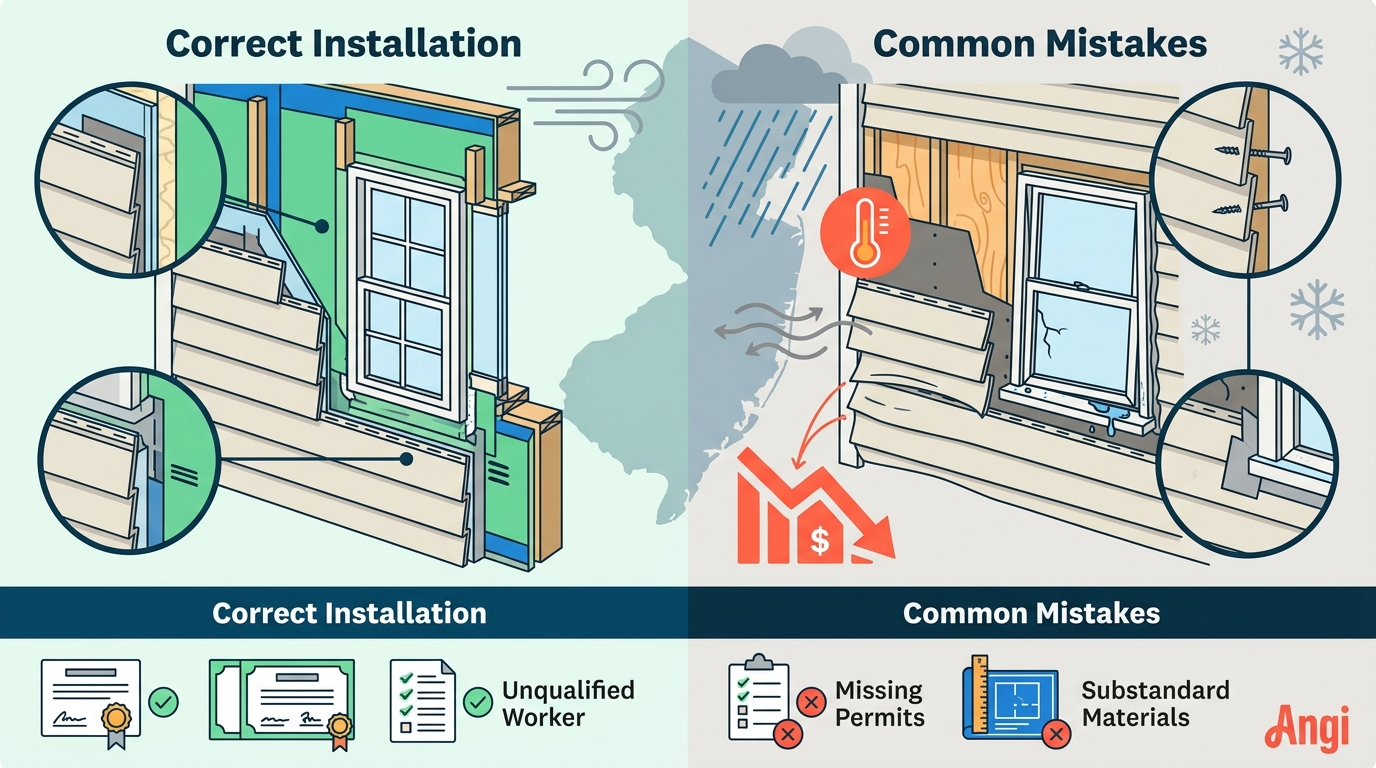
Homeowners in New Jersey face unique weather challenges that make exterior upgrades critical for both comfort and property value. According to recent industry data, improper installation of siding or windows can lead to a 30% increase in energy loss within the first year. This statistic highlights why choosing the right partner for your home improvement project is not just a matter of aesthetics, but of structural integrity and financial prudence. Many homeowners overlook the nuances of local building codes and contractor credentials, leading to costly repairs down the line. This guide outlines the most frequent errors to avoid when selecting a contractor for siding or window replacement in the Garden State.
Ignoring Credentials and Insurance
The most critical mistake homeowners make is hiring contractors who lack proper licensing and insurance. In New Jersey, exterior contractors must adhere to strict state regulations. A licensed contractor carries liability insurance and workers' compensation, protecting you from being held responsible for accidents on your property. Without these protections, a single injury or damage incident could result in significant financial liability for the homeowner.
When evaluating potential contractors, always request proof of insurance and verify their license status with the state board. Reputable companies, such as American Home Remodeling, provide transparent documentation of their credentials during the initial consultation. This step ensures that you are working with a legitimate business that stands behind its work.
Skipping Local Building Code Compliance
New Jersey has diverse municipal building codes that vary by county. Essex County, Union County, and Bergen County each have specific requirements for siding installation and window replacement. Ignoring these codes can lead to failed inspections, fines, and the need to redo work entirely. For example, some municipalities require specific wind-load ratings for windows in coastal or high-wind areas.
A knowledgeable contractor will navigate these regulations seamlessly. Essex County siding services must comply with local zoning laws, while Union County roofing and siding projects often require specific permits. Ensure your contractor handles all permit applications and inspections to avoid legal complications.
Relying on Vague Written Estimates
A detailed, written estimate is your primary defense against hidden costs. Many homeowners accept verbal quotes or vague proposals that do not specify materials, labor costs, or timeline. This ambiguity allows contractors to add "change orders" later, inflating the final price. A professional estimate should break down costs for materials, labor, disposal, and any additional structural repairs.
At American Home Remodeling, we provide comprehensive estimates that outline every aspect of the project. This transparency ensures that the price you agree to is the price you pay. Always compare estimates from multiple contractors, but be wary of quotes that seem significantly lower than the market average, as they may indicate subpar materials or inexperienced labor.
Misunderstanding Material Specifications
Homeowners often focus on color and style while neglecting the technical specifications of siding and windows. Not all vinyl siding is created equal. Factors such as thickness, insulation backing, and UV resistance vary widely. Similarly, windows differ in energy efficiency ratings, frame materials, and glass coatings.
Understanding these details is crucial for long-term performance. High-quality siding installation requires materials that can withstand New Jersey's humid summers and freezing winters. Expert roofing and siding contractors should educate you on the benefits of insulated vinyl or fiber cement options. Ask for specific product lines and warranty terms to ensure you are getting durable, energy-efficient materials.
Ignoring Verified Customer Reviews
Online reviews provide valuable insights into a contractor's reliability and workmanship. However, many homeowners only look at star ratings without reading the detailed feedback. Look for reviews that mention specific aspects of the project, such as cleanliness, communication, and adherence to schedule. Verified reviews on platforms like Google and the Better Business Bureau are particularly trustworthy.
Check customer reviews for contractors in your specific area. Homeowners in Bergen County may have different experiences than those in Essex County due to local logistics and project complexity. Consistent positive feedback regarding post-installation support is a strong indicator of a reputable company.
Falling for Predatory Financing Terms
Many homeowners seek financing options to manage the cost of exterior upgrades. However, some contractors partner with lenders offering high-interest loans or balloon payments that can burden homeowners financially. It is essential to understand the terms of any financing agreement before signing.
Reputable companies often offer flexible financing options, such as 0% financing for up to 18 months for qualified customers. This allows homeowners to complete their projects without immediate financial strain. Always review the fine print of any loan offer and consider consulting with a financial advisor if the terms are unclear. Avoid contractors who pressure you to sign financing agreements on the spot.
Comparison of Contractor Vetting Criteria
| Criteria | Red Flag | Green Flag |
|---|---|---|
| Licensing | Refusal to provide license number | Active NJ state license provided |
| Insurance | Verbal assurance only | Current certificates of insurance |
| Estimates | Vague or verbal quotes | Detailed written breakdown |
| Warranty | No written warranty | Multi-year workmanship warranty |
| References | Unavailable or fake reviews | Verified local customer references |
Key Takeaways
- Always verify that your contractor holds a valid New Jersey state license and carries both liability and workers' compensation insurance.
- Ensure your contractor is familiar with local building codes in Essex, Union, and Bergen Counties to avoid inspection failures.
- Insist on a detailed, written estimate that breaks down material and labor costs to prevent hidden fees.
- Understand the technical specifications of siding and windows, including insulation and energy efficiency ratings.
- Check verified customer reviews and ask for local references to gauge reliability and workmanship quality.
- Review financing terms carefully and avoid high-pressure sales tactics or predatory loan structures.
- Choose a contractor with a proven track record, such as American Home Remodeling, which has served over 20,000 customers in New Jersey.
Frequently Asked Questions
What is the average cost of siding installation in New Jersey?
The cost varies based on materials and home size, but professional installation typically ranges from $8 to $15 per square foot. HomeAdvisor reports that insulated vinyl siding offers the best balance of cost and energy efficiency for NJ homeowners.
Do I need a permit for window replacement in New Jersey?
Yes, most municipalities in New Jersey require permits for window replacement, especially if the frame size is changing. Your contractor should handle this process. New Jersey Consumer Affairs outlines the requirements for home improvement contracts.
How long does a siding installation project take?
A typical siding project for an average-sized home takes one to two weeks. Factors such as weather, material availability, and the extent of underlying repairs can affect the timeline. BBB profiles often list average project durations for local contractors.
What is the difference between vinyl and fiber cement siding?
Vinyl siding is more affordable and easier to install, while fiber cement is more durable and fire-resistant. Energy Star guidelines suggest evaluating both options based on your climate and budget.
Can I finance my home improvement project?
Yes, many contractors offer financing options. American Home Remodeling offers 0% financing for up to 18 months for qualified customers, making it easier to manage costs.
How do I check a contractor's license in New Jersey?
You can verify a contractor's license through the New Jersey Division of Consumer Affairs website. This ensures they are legally authorized to perform home improvement work in the state.
What warranty should I expect for new windows?
Manufacturers typically offer lifetime warranties on window frames and glass, while workmanship warranties from contractors usually range from 2 to 10 years. Industry standards recommend a minimum 5-year workmanship warranty for peace of mind.
Schedule Your Consultation Today
Avoid the common pitfalls of hiring a window or siding contractor by choosing a trusted partner with a proven track record. Contact American Home Remodeling today to schedule your free consultation and receive a detailed, transparent estimate for your New Jersey home improvement project. Our team is dedicated to delivering superior craftsmanship and service beyond expectations.