
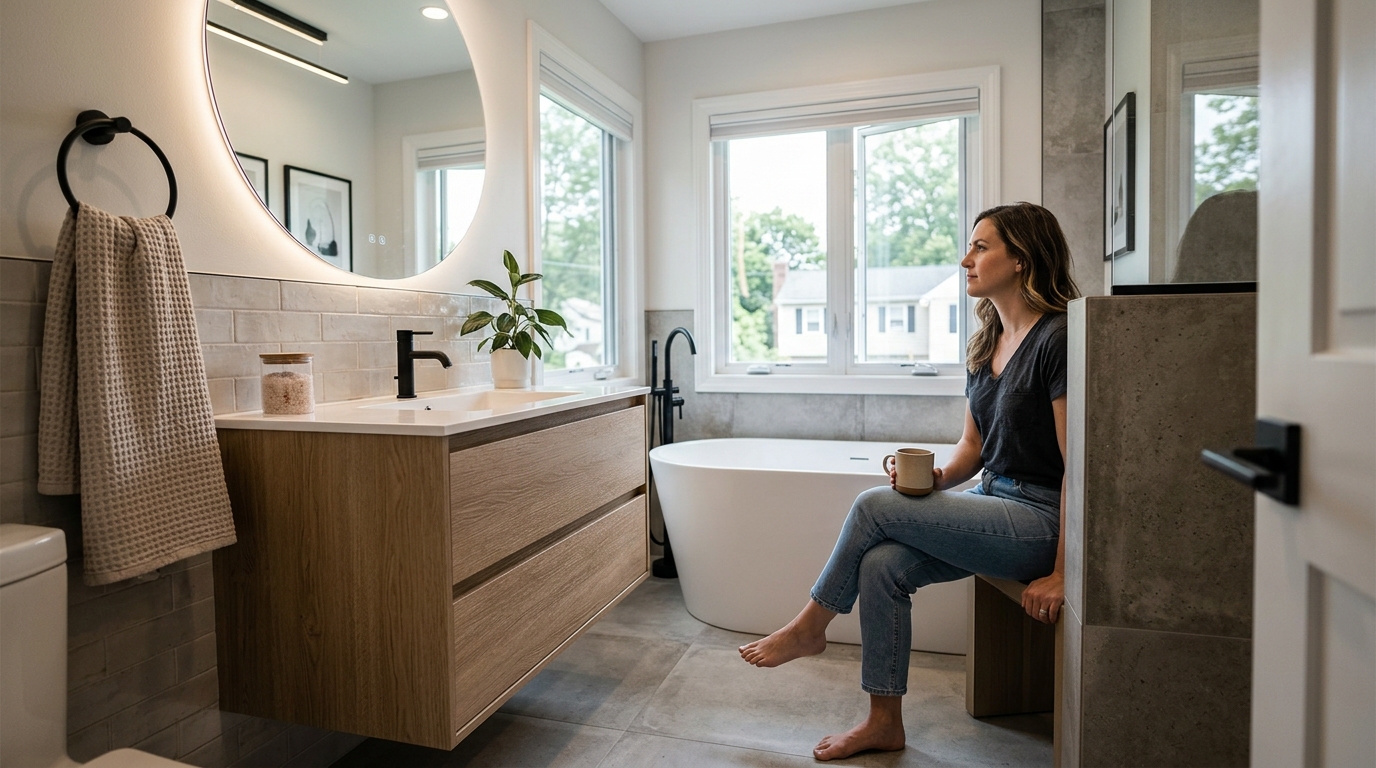
Modernizing a small bathroom is one of the highest-return investments a homeowner can make. According to the National Association of Realtors, bathroom remodels typically recoup 60 to 70 percent of their cost at resale, making them a critical component of property value enhancement. However, the challenge lies in maximizing functionality within a confined footprint without sacrificing style. This guide provides a structured approach to transforming cramped, outdated spaces into efficient, contemporary sanctuaries. (Customer Reviews for Home)
Step 1: Assessing Your Current Space and Needs
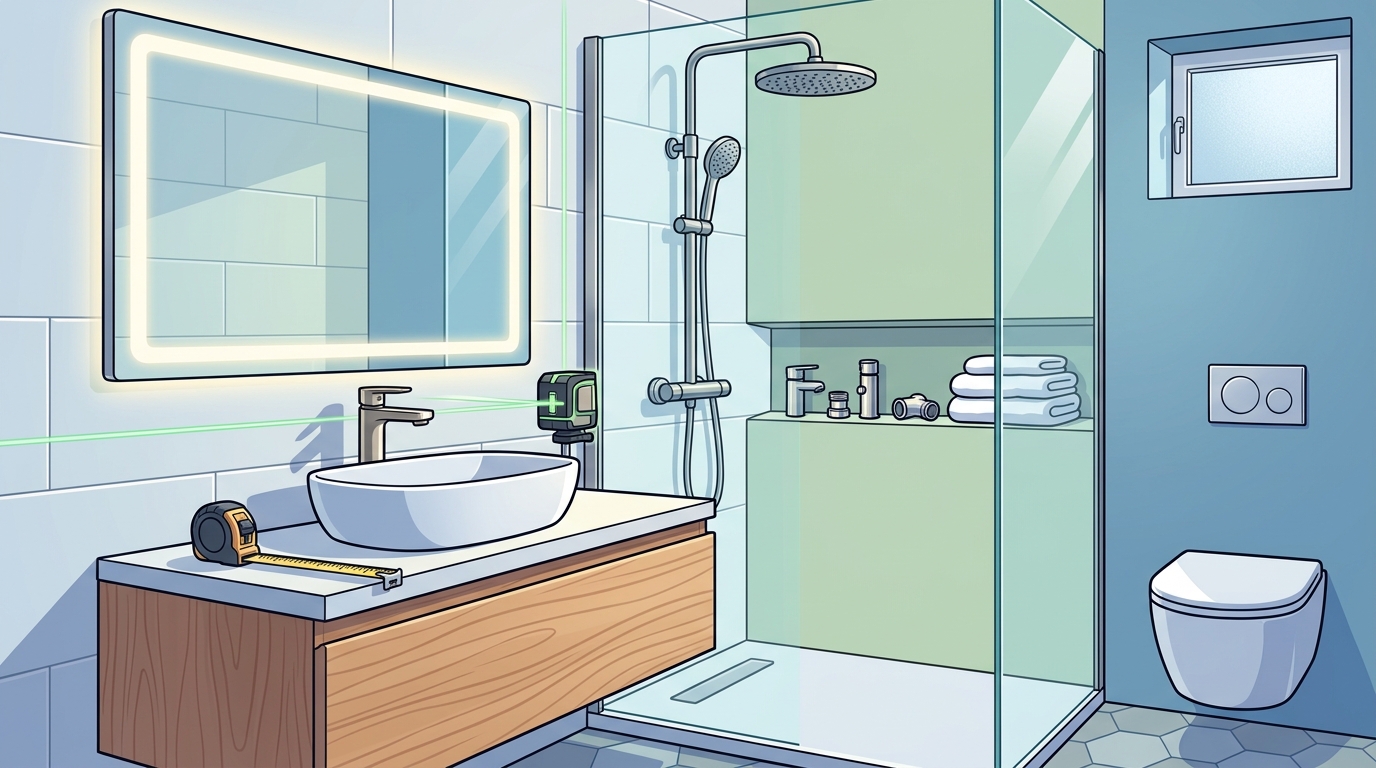
Before swinging a hammer or ordering tiles, you must conduct a thorough audit of your existing bathroom. Small bathrooms often suffer from poor flow and wasted space due to outdated layouts. Start by measuring the exact dimensions of the room, including door swings, window placements, and plumbing locations. Understanding the constraints is the first step to overcoming them.
Identify the primary pain points. Is the storage insufficient? Is the lighting harsh or inadequate? Do you struggle with shower access? For homeowners in New Jersey, where humidity levels can fluctuate significantly, addressing moisture management early in the assessment phase is crucial. This initial evaluation helps you prioritize changes that offer the most significant impact on usability and aesthetics.
Step 2: Optimizing the Floor Plan
The layout of a small bathroom dictates its functionality. In many older New Jersey homes, bathrooms were designed with minimal regard for modern ergonomics. To modernize the space, consider reconfiguring the placement of major fixtures. If possible, relocating the vanity or toilet can open up floor space and improve traffic flow.
One effective strategy is to install a corner vanity or a pedestal sink. These options free up valuable floor space, making the room feel larger and less cluttered. Another approach is to replace a standard bathtub with a walk-in shower. This not only modernizes the look but also improves accessibility. According to the U.S. Census Bureau, a significant portion of the population is aging in place, making accessible design features increasingly important for long-term home value.
Step 3: Selecting Space-Saving Fixtures
Choosing the right fixtures is critical in a small bathroom. Every inch counts, so select items that offer both style and efficiency. Wall-mounted toilets are an excellent choice because they eliminate the bulky base, creating a sense of openness and making floor cleaning easier. Similarly, floating vanities with sleek lines can make the floor appear more expansive.
For showering, consider a frameless glass enclosure. Unlike shower curtains, which can bunch up and make a space feel cramped, glass enclosures maintain visual continuity. If you must keep a tub, opt for a compact soaking tub or a tub-shower combo with a low-profile design. These fixtures reduce visual weight and allow light to pass through the room more freely.
Step 4: Enhancing Lighting and Ventilation
Lighting plays a pivotal role in how large or small a bathroom feels. Natural light is ideal, but if your bathroom lacks windows, you must rely on artificial lighting. Layer your lighting with ambient, task, and accent sources. Ambient lighting provides general illumination, while task lighting around the mirror reduces shadows during grooming.
Ventilation is equally important. Poor ventilation leads to mold and mildew, which are common issues in humid climates. Install a high-quality exhaust fan rated for the square footage of your bathroom. Proper airflow not only protects your investment but also ensures a comfortable environment. According to the Environmental Protection Agency, indoor air quality can be significantly worse than outdoor air, making proper ventilation a health necessity.
Step 5: Choosing Modern Finishes and Colors
The finishes you choose can dramatically alter the perception of space. Light colors, such as whites, creams, and soft grays, reflect light and make small rooms feel airier. Large-format tiles are another modern trend that helps. Fewer grout lines create a seamless look, reducing visual clutter and making the floor and walls appear larger.
Consider using reflective surfaces, such as glossy tiles or mirrored cabinets, to bounce light around the room. Mirrors are particularly effective; a large mirror above the vanity can double the visual depth of the space. When selecting hardware, choose sleek, minimalist designs in finishes like brushed nickel or matte black to maintain a contemporary aesthetic.
Step 6: Budgeting and Financing Your Project
Renovating a bathroom requires careful financial planning. Costs can vary widely depending on the scope of work, materials selected, and labor rates in your region. In New Jersey, labor costs can be higher than the national average, so obtaining multiple detailed quotes is essential. Break down your budget into categories such as demolition, plumbing, electrical, fixtures, and finishes.
Many homeowners find that financing options can make high-quality renovations more accessible. For instance, American Home Remodeling offers 100 percent financing for qualified customers, with 0 percent interest for up to 18 months. This allows you to complete your project without immediate financial strain while ensuring you get the best materials and craftsmanship. Always review the terms of any financing agreement carefully to understand the long-term implications.
Key Takeaways
- Small bathroom remodels typically recoup 60 to 70 percent of their cost at resale.
- Wall-mounted toilets and floating vanities save floor space and improve aesthetics.
- Frameless glass shower enclosures enhance the perception of space.
- Proper ventilation is critical for preventing mold and maintaining indoor air quality.
- Light colors and large-format tiles make small rooms feel larger.
- Financing options like 0 percent interest for 18 months can ease budget constraints.
- Professional assessment of plumbing and electrical needs is essential before starting.
Frequently Asked Questions
How much does it cost to modernize a small bathroom?
The cost varies based on materials and labor, but a mid-range remodel typically ranges from $5,000 to $15,000. High-end renovations can exceed $25,000. Getting detailed quotes from local contractors is the best way to determine your specific budget.
Can I change the layout of my small bathroom?
Yes, but it depends on the existing plumbing and structural constraints. Relocating fixtures can be expensive due to the need for new plumbing lines. Consult with a professional to see if a layout change is feasible and cost-effective.
What is the best lighting for a small bathroom?
A combination of ambient and task lighting is best. Use bright, shadow-free lights around the mirror for grooming and softer ambient lights for general illumination. LED strips under vanities can also add a modern touch.
How do I make a small bathroom look bigger?
Use light colors, large-format tiles, and reflective surfaces like mirrors. Installing a frameless glass shower and wall-mounted fixtures also helps create a sense of openness.
Is professional help necessary for a bathroom remodel?
While minor updates can be DIY projects, major structural, plumbing, and electrical changes require professional expertise to ensure safety and compliance with local building codes. Working with experienced remodeling contractors in New Jersey ensures a seamless process.
What financing options are available for home improvements?
Many companies offer financing plans, including 0 percent interest for a set period. This allows homeowners to spread out payments without high interest rates. Check with your contractor for available options.
How long does a small bathroom remodel take?
A typical small bathroom remodel takes two to four weeks, depending on the scope of work. Delays can occur due to material availability or unexpected structural issues.
Start Your Bathroom Transformation Today
Modernizing your small bathroom is a journey that enhances both your daily life and your home's value. By following these steps and working with experienced professionals, you can achieve a stunning result. Contact American Home Remodeling to schedule a consultation and take the first step toward your dream bathroom.