
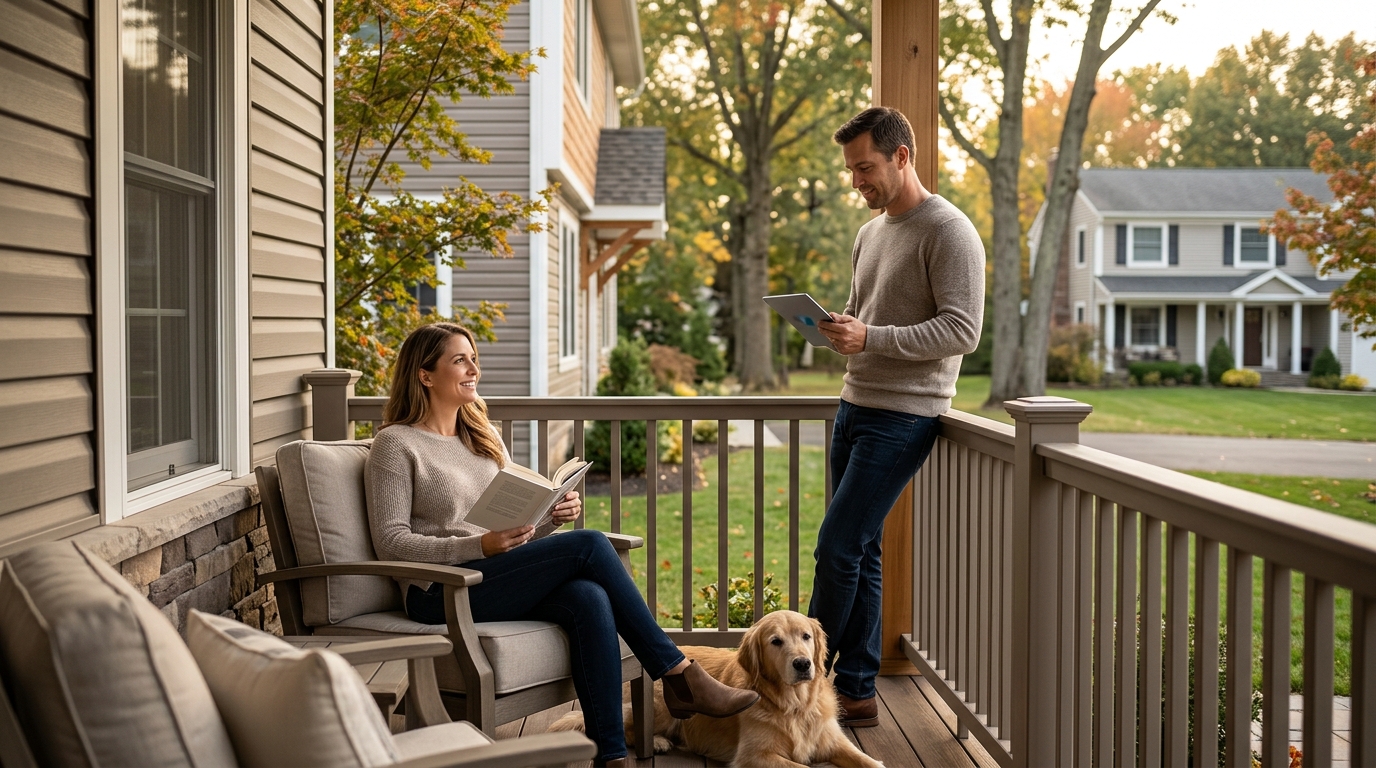
New Jersey homeowners face unique weather challenges that directly impact household energy consumption. According to the U.S. Department of Energy, heating and cooling account for nearly 50% of the energy used in typical homes. In a state with hot, humid summers and freezing winters, the exterior envelope of your house plays a critical role in maintaining indoor comfort. Choosing the right siding is not just an aesthetic decision; it is a strategic investment in long-term energy savings and structural integrity. This guide compares the top energy-efficient siding options available for New Jersey properties, helping you select the best material for your specific needs and budget.
Why Siding Matters for NJ Energy Efficiency
Older homes in New Jersey often suffer from poor insulation and air leakage through deteriorating siding. When siding fails, it allows conditioned air to escape and outdoor temperatures to penetrate your walls. This forces your HVAC system to work harder, leading to higher utility bills and increased wear on your equipment. Upgrading to modern, insulated siding can significantly reduce these thermal bridges. At American Home Remodeling, we specialize in transforming homes across Essex, Union, and Bergen counties by installing siding systems that prioritize both performance and longevity.
The right siding material acts as a barrier against moisture, wind, and temperature extremes. In New Jersey, where humidity levels can spike during summer months, moisture resistance is just as important as thermal resistance. Water intrusion can lead to mold growth and structural rot, compromising the energy efficiency of your home's insulation. By choosing a siding option with integrated foam backing or high-density composition, you create a continuous thermal barrier that stabilizes your indoor climate year-round.
Vinyl Siding: The Cost-Effective Standard
Vinyl siding remains the most popular choice for New Jersey homeowners due to its affordability and low maintenance requirements. Modern vinyl siding has evolved significantly from the thin, brittle options of the past. Today's premium vinyl products feature multi-layer construction with insulated backing. This insulation layer reduces heat transfer through the walls, improving the overall R-value of your home's exterior.
One of the primary advantages of vinyl is its resistance to moisture and pests. Unlike wood, vinyl does not rot, warp, or attract termites. This durability is crucial in New Jersey's varied climate, where freeze-thaw cycles can damage inferior materials. Additionally, vinyl siding requires minimal upkeep. A simple wash with a garden hose is usually sufficient to maintain its appearance, saving you money on painting and sealing over time.
However, vinyl has limitations regarding extreme temperature fluctuations. In very hot summers, some lower-quality vinyl may expand and contract more than desired, potentially leading to buckling if not installed correctly. High-quality insulated vinyl siding mitigates this issue by adding rigidity and thermal stability. For homeowners seeking a balance between cost and energy performance, insulated vinyl siding offers a compelling return on investment.
Fiber Cement: Durability Meets Insulation
Fiber cement siding is composed of sand, cement, and cellulose fibers. This composite material is renowned for its exceptional durability and resistance to fire, rot, and insect damage. For New Jersey homeowners, fiber cement provides a robust barrier against the elements while offering excellent thermal mass properties. Thermal mass helps regulate indoor temperatures by absorbing heat during the day and releasing it slowly at night.
When paired with rigid foam insulation boards, fiber cement siding can achieve high R-values, making it one of the most energy-efficient options available. The density of the material also contributes to superior sound insulation, reducing noise pollution from outside. This is particularly beneficial for homes located near busy roads or in dense suburban neighborhoods.
The primary drawback of fiber cement is its weight and installation complexity. It requires professional installation to ensure proper sealing and alignment. While the upfront cost is higher than vinyl, the lifespan of fiber cement often exceeds 50 years with minimal maintenance. This longevity makes it a cost-effective choice for homeowners planning to stay in their homes long-term. Explore our siding installation services to see how fiber cement can enhance your home's performance.
Engineered Wood: A Sustainable Choice
Engineered wood siding is manufactured from wood strands or fibers bonded with adhesives under high pressure. This process creates a stable, consistent material that is less prone to warping and splitting than natural wood. Engineered wood offers a natural aesthetic that appeals to homeowners who want the look of wood without the high maintenance burden.
From an energy efficiency perspective, wood is a natural insulator. Engineered wood siding retains this insulating property while offering improved dimensional stability. When installed with a weather-resistant barrier and proper flashing, it creates an effective air seal that prevents drafts. This is critical for older New Jersey homes that may lack modern air sealing techniques.
Another significant benefit of engineered wood is its sustainability. Many products are made from fast-growing, renewable wood sources and recycled materials. This makes it an environmentally friendly option for eco-conscious homeowners. However, it does require periodic painting or staining to protect against moisture and UV damage. Regular maintenance is essential to preserve its energy-efficient properties and appearance.
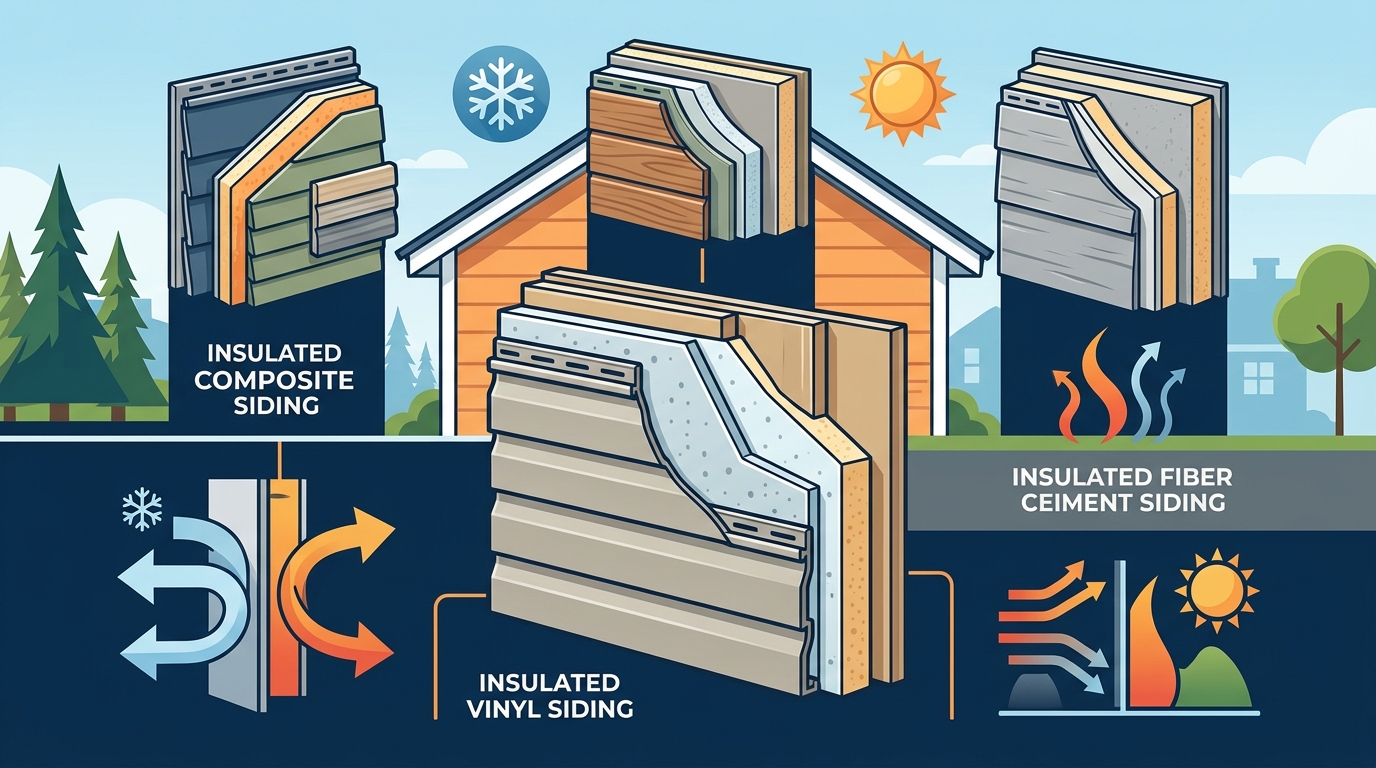
Siding Comparison Matrix
The following table summarizes the key characteristics of each siding type to help you compare options quickly.
| Siding Type | Energy Efficiency | Maintenance Level | Lifespan | Best For |
|---|---|---|---|---|
| Insulated Vinyl | High (with backing) | Low | 20-40 years | Budget-conscious homeowners |
| Fiber Cement | Very High | Low-Medium | 50+ years | Long-term durability |
| Engineered Wood | Medium-High | Medium | 30-50 years | Natural aesthetic seekers |
| Brick Veneer | Medium | Very Low | 100+ years | Historic home restoration |
Key Takeaways
- Insulated Vinyl offers the best balance of cost and energy savings for most New Jersey homeowners.
- Fiber Cement provides superior durability and fire resistance, making it ideal for long-term ownership.
- Engineered Wood delivers a natural look with improved stability over traditional wood siding.
- Proper Installation is critical; even the best siding will fail if air sealing is neglected.
- Regional Expertise matters; local contractors understand NJ's specific climate challenges.
- Financing Options are available to make upgrades affordable, including 0% financing for qualified customers.
- Energy Rebates may be available through local utilities for upgrading to insulated siding systems.
Frequently Asked Questions
Which siding is most energy efficient for New Jersey homes?
Insulated vinyl siding and fiber cement siding with rigid foam backing are generally considered the most energy-efficient options. They provide high R-values and reduce thermal bridging, which is essential for combating New Jersey's extreme temperatures.
Does siding installation require a permit in New Jersey?
Permit requirements vary by municipality in New Jersey. Some towns require permits for siding replacement if structural changes are made, while others do not. It is best to consult with a licensed contractor who can navigate local building codes.
How long does insulated vinyl siding last?
High-quality insulated vinyl siding can last between 20 and 40 years. Its lifespan depends on the thickness of the vinyl, the quality of the insulation backing, and the climate conditions of the installation area.
Can I install new siding over my existing siding?
In many cases, yes. Installing new siding over existing material can save on labor costs and provide an additional layer of insulation. However, the existing siding must be in good condition, flat, and securely attached to the sheathing.
What is the average cost of siding installation in NJ?
The cost varies based on material and home size. On average, homeowners can expect to pay between $5 and $15 per square foot for materials and installation. Fiber cement is typically on the higher end, while vinyl is more affordable.
Does siding improve home value?
Yes, new siding is one of the highest ROI home improvement projects. It enhances curb appeal and signals to buyers that the home's exterior is well-maintained, potentially increasing resale value.
How do I choose the right color for energy efficiency?
Lighter colors reflect sunlight and can help keep homes cooler in summer. Darker colors absorb heat, which might be beneficial in winter but can increase cooling costs in summer. Consider your local climate when selecting a color palette.
Schedule Your Consultation
Ready to upgrade your home's energy efficiency and curb appeal? Contact American Home Remodeling today to schedule a free consultation. Our expert team will assess your home's needs and recommend the best siding solution for your budget and goals. With over 40 years of experience serving New Jersey, we are your trusted partner for superior home improvement.