
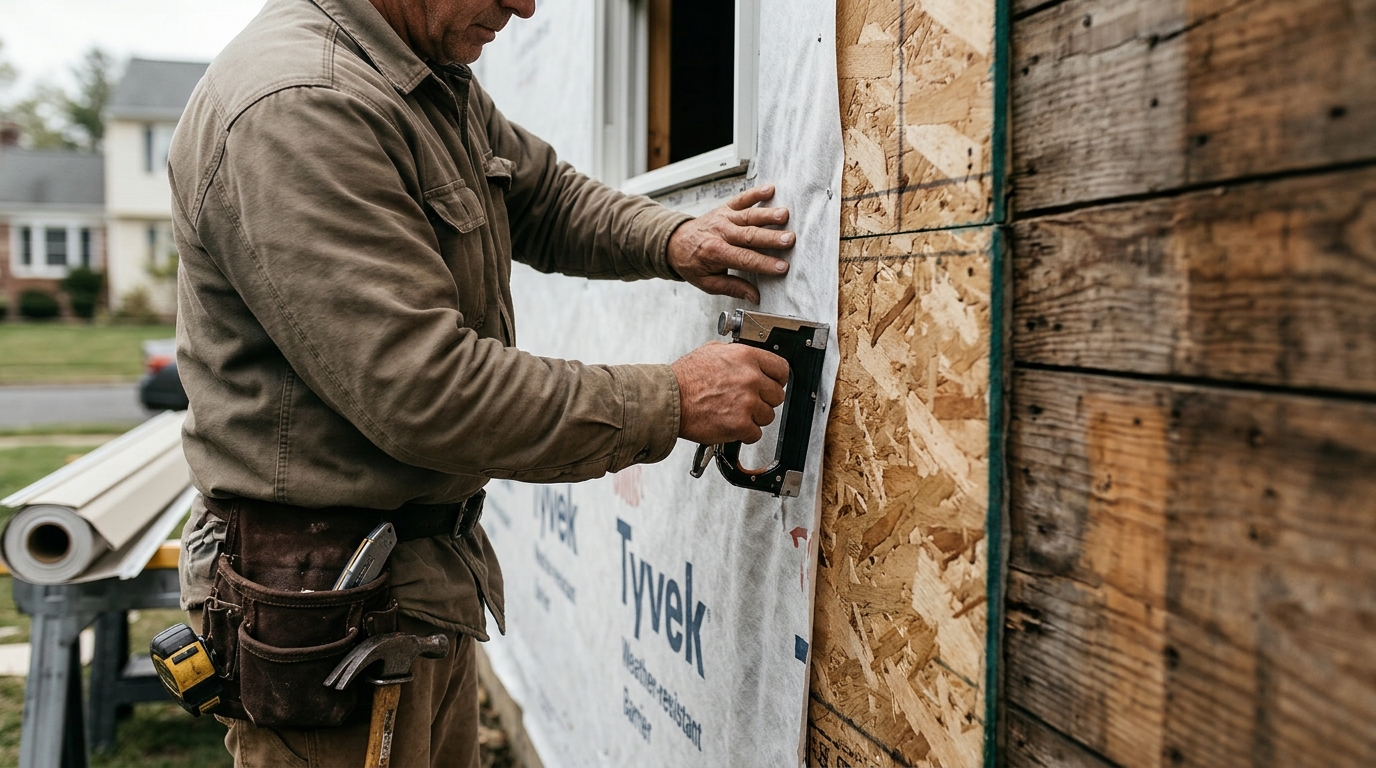
Wall preparation is the critical step that determines the longevity and performance of your new siding. You must inspect the sheathing for rot, ensure the surface is flat, and install a proper weather-resistant barrier. Skipping these steps leads to moisture intrusion and structural damage. American Home Remodeling emphasizes that proper prep is non-negotiable for a durable exterior.
Inspecting the Structural Sheathing
The first step in wall preparation is a thorough inspection of the underlying sheathing. Sheathing is the structural layer of wood or fiber cement that supports the siding. You must remove the old siding to reveal this layer and check for hidden damage. Look for soft spots, discoloration, or signs of fungal growth that indicate rot. For additional details, review the Customer Experience.
If you find damaged areas, you must replace them before proceeding. Installing new siding over rot is a common mistake that traps moisture and accelerates decay. A professional assessment ensures that the structural integrity of the wall is sound. This step is crucial because the sheathing provides the nailing surface for the new material. For additional details, review the Frequently Asked Questions.
Ensuring a Flat and Plumb Surface
New siding requires a flat and plumb surface to install correctly. Uneven walls cause gaps, warping, and an unprofessional appearance. You should use a level and a straightedge to check the vertical and horizontal alignment of the sheathing. Any significant deviations must be corrected with shims or by replacing warped boards. For additional details, review the About.
Flatness is particularly important for rigid siding materials like vinyl or fiber cement. These materials do not flex to accommodate uneven surfaces. If the wall is not flat, the siding may buckle or fail to seal properly. Ensuring a smooth base is a key part of the preparation process that guarantees a clean finish.
Installing a Weather-Resistant Barrier
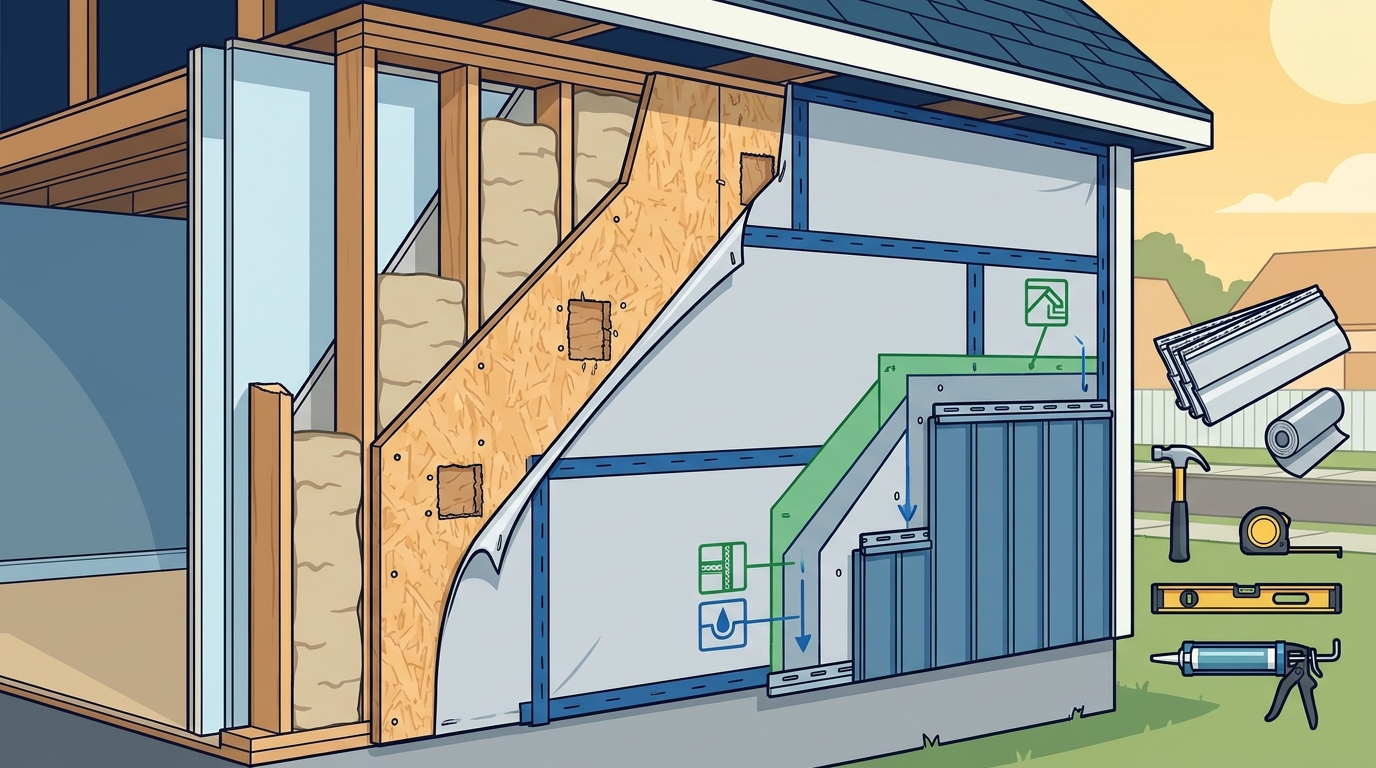
A weather-resistant barrier is a synthetic membrane or house wrap that protects the sheathing from moisture. This layer is essential for preventing water intrusion behind the siding. It acts as a secondary defense if water gets past the exterior cladding. You must install this barrier correctly, overlapping seams and sealing around penetrations.
Addressing Flashing and Penetrations
Flashing is a metal or rubber material that directs water away from vulnerable areas. You must inspect and update flashing around windows, doors, and roof lines. Old or damaged flashing can allow water to seep behind the siding. Properly installed flashing ensures that water is shed away from the wall structure.
Penetrations such as pipes and vents also require attention. You should seal these areas with appropriate flashing or sealants. This prevents water from entering through small gaps. Careful attention to these details is what separates a good installation from a great one. It ensures that the entire wall system is watertight.
Key Takeaways
- Inspect the sheathing for rot and replace damaged areas before installing new siding.
- Ensure the wall surface is flat and plumb to prevent warping and gaps.
- Install a high-quality weather-resistant barrier to protect against moisture.
- Update and seal all flashing around windows, doors, and roof lines.
- Address penetrations like pipes and vents with proper sealing.
- Proper preparation is essential for the longevity and performance of your siding.
Frequently Asked Questions
Do I need to remove old siding to prepare the walls?
Yes, you generally need to remove the old siding to inspect the sheathing and install a proper weather-resistant barrier. This allows you to check for hidden damage and ensure a flat surface.
What is the best weather-resistant barrier for siding?
Synthetic house wraps are popular for their durability and ease of installation. They provide excellent moisture protection and allow water vapor to escape.
How do I check if my sheathing is rotting?
Look for soft spots, discoloration, or a spongy feel when pressing on the wood. If the sheathing feels soft or crumbles, it is likely rotting and needs replacement.
Can I install siding over existing siding?
It is not recommended to install siding over existing siding without proper preparation. This can trap moisture and lead to structural issues. It is better to remove the old siding and prepare the wall properly.
What is the purpose of flashing in siding installation?
Flashing directs water away from vulnerable areas like windows and doors. It prevents water from seeping behind the siding and damaging the wall structure. Learn more: NJ Home Remodeling Contractor.