
Essential Standards and Criteria for New Jersey Home Remodeling Success
New Jersey presents a unique landscape for home improvement projects due to its dense infrastructure, strict municipal codes, and diverse architectural heritage. According to recent industry data, over 60% of renovation delays in the Northeast are caused by permitting oversights rather than construction errors. This statistic highlights why understanding local compliance is not just a bureaucratic hurdle but a critical component of project viability. Homeowners in Essex, Bergen, and Monmouth counties must navigate a complex web of zoning laws, historical preservation requirements, and environmental regulations to ensure their investments yield long-term value. (Contact Us)
Understanding New Jersey Building Codes
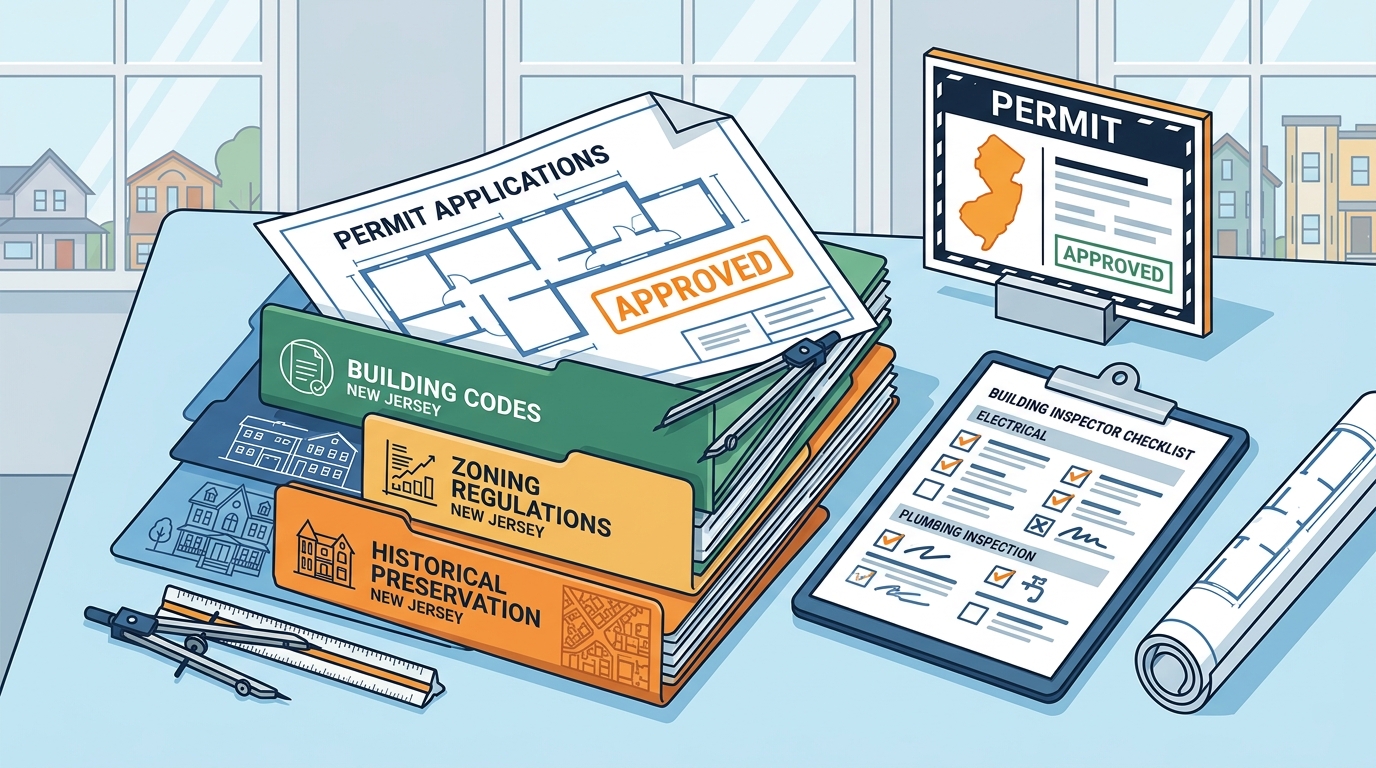
The foundation of any successful remodeling project lies in strict adherence to the New Jersey Uniform Construction Code (UCC). This code is not merely a suggestion but a legal mandate enforced by local municipal building departments. The UCC aligns with the International Building Code but includes state-specific amendments that address regional climate challenges and historical preservation needs.
For homeowners in older towns like Princeton or Hoboken, these codes often intersect with historical district regulations. American Home Remodeling understands that navigating these layers requires expertise. Our team stays current with annual code updates to ensure that every structural modification, electrical upgrade, and plumbing alteration meets or exceeds state requirements. Ignoring these standards can lead to severe fines, forced demolition of unpermitted work, and complications during future property sales.
Building codes also dictate specific requirements for egress windows in basement renovations, fire-rated walls in garage conversions, and load-bearing capacity for deck expansions. Understanding these technicalities prevents costly rework and ensures the safety of your household.
The Permitting Process in New Jersey
Securing permits is often the most misunderstood aspect of New Jersey remodeling. Each municipality, from Montclair to Cherry Hill, has its own submission protocols, review timelines, and inspection schedules. The general rule is that any work affecting the structure, electrical systems, plumbing, or HVAC requires a permit.
The process typically begins with detailed architectural drawings stamped by a licensed professional. These documents must clearly show the proposed changes, including dimensions, materials, and structural supports. Once submitted, the municipal building department reviews the plans for compliance with zoning laws, setback requirements, and height restrictions. This review can take anywhere from two weeks to three months depending on the complexity of the project and the efficiency of the local office.
At American Home Remodeling, we manage the entire permitting lifecycle for our clients. We handle the paperwork, attend pre-construction meetings, and coordinate with inspectors to ensure smooth progress. This proactive approach minimizes downtime and keeps the project on schedule. Attempting to bypass permits might seem like a shortcut, but it risks voiding home insurance coverage and creating legal liabilities that can devalue your property significantly.
Structural Integrity and Material Standards
New Jersey's geography, which ranges from the rocky cliffs of the Palisades to the sandy shores of the Jersey Shore, demands specific structural considerations. Homes in coastal areas must adhere to stricter flood zone regulations, often requiring elevated foundations or flood-resistant materials. In contrast, homes in the Pine Barrens may face soil stability issues that necessitate specialized foundation work.
Material selection is equally critical. The freeze-thaw cycle in northern New Jersey can damage inferior concrete and masonry. Therefore, using high-grade, weather-resistant materials is not optional but essential for longevity. Structural integrity is defined as the ability of a building to withstand loads without failure. This principle guides our selection of lumber, steel beams, and concrete mixes for every project.
Additionally, older homes in towns like Morristown or Trenton often contain lead paint and asbestos. Remediation of these hazardous materials must follow strict EPA and state guidelines before any remodeling can begin. Our team coordinates with certified abatement specialists to ensure your family's safety and regulatory compliance during this phase.
Energy Efficiency and Sustainability
As energy costs rise, New Jersey has implemented stricter energy codes for renovations. The New Jersey Energy Conservation Code (NJ ECC) requires that any major renovation meet specific insulation, window, and HVAC efficiency standards. This is particularly relevant for homeowners looking to upgrade older, drafty homes common in the state's historic neighborhoods.
Improving energy efficiency is not just about compliance; it is about comfort and cost savings. Upgrading to double-pane low-E windows, adding spray foam insulation in attics, and installing high-efficiency heat pumps can reduce heating and cooling costs by up to 30%. According to the Department of Energy, proper insulation and air sealing are among the most cost-effective ways to improve home performance.
We also assist clients in navigating state incentives for renewable energy installations. Programs like the Clean Energy Program offer rebates for solar panel installations and electric vehicle charging stations. By integrating these sustainable features into your remodel, you increase your home's market value while reducing its environmental footprint.
Vetting Contractor Credentials
Choosing the right contractor is the single most important decision in a remodeling project. In New Jersey, contractors must be licensed through the New Jersey Division of Consumer Affairs. This license ensures that the contractor has passed background checks, carries adequate insurance, and possesses the technical knowledge required for the job.
When vetting potential contractors, look for the following credentials:
- Licensed Home Improvement Contractor (HIC): Mandatory for any job over $500.
- Workers' Compensation Insurance: Protects you from liability if a worker is injured on your property.
- General Liability Insurance: Covers damages to your home caused by the contractor's work.
- BBB Accreditation: Indicates a history of resolving customer complaints effectively.
At American Home Remodeling, we pride ourselves on our transparent credentials and long-standing reputation in the community. We encourage all clients to verify licenses independently and request references from recent projects in their specific municipality.
Budgeting for NJ-Specific Challenges
Remodeling in New Jersey often comes with higher costs compared to national averages due to labor rates, material transportation, and regulatory fees. It is crucial to build a realistic budget that accounts for these variables. A common mistake is underestimating the cost of unforeseen issues, which are prevalent in older New Jersey homes.
We recommend allocating a contingency fund of 10-20% of the total project budget for unexpected repairs. This fund covers issues like rotting subfloors, outdated electrical panels, or plumbing leaks that are only discovered once walls are opened. By planning for these contingencies, you avoid the stress of budget overruns and ensure the project can be completed without compromise.
| Project Type | Typical NJ Cost Range | Key Compliance Factor |
|---|---|---|
| Kitchen Remodel | $35,000 - $75,000+ | Plumbing and Electrical Permits |
| Bathroom Renovation | $15,000 - $40,000+ | Flood Zone Regulations |
| Deck Addition | $20,000 - $50,000+ | Setback and Height Restrictions |
| Basement Finishing | $30,000 - $60,000+ | Egress Window Requirements |
Key Takeaways
- Adherence to the New Jersey Uniform Construction Code is mandatory for all structural and systemic changes.
- Permitting timelines vary by municipality and can significantly impact project schedules if not managed proactively.
- Structural integrity requires materials suited to New Jersey's specific climate and geological conditions.
- Energy efficiency upgrades can qualify for state rebates and reduce long-term utility costs.
- Always verify that your contractor holds a valid NJ HIC license and adequate insurance coverage.
- Budget for a 10-20% contingency fund to address unforeseen issues common in older homes.
- Historical district homes may require additional approvals from preservation boards before work begins.
Frequently Asked Questions
Do I need a permit for a kitchen remodel in New Jersey?
Yes, if your remodel involves moving plumbing, electrical, or gas lines, or altering the layout of walls, you will need a permit. Cosmetic updates like painting or replacing cabinets without structural changes may not require one, but local rules vary.
How long does the permitting process take in New Jersey?
Permitting times vary by municipality. Simple permits may be approved in a few days, while complex structural changes can take several weeks or months. Our team at American Home Remodeling helps streamline this process.
What is the New Jersey HIC license?
The Home Improvement Contractor (HIC) license is required by the state for any contractor performing work over $500. It ensures the contractor is registered, bonded, and compliant with consumer protection laws.
Are there energy rebates available for home remodeling?
Yes, New Jersey offers various incentives through the Clean Energy Program for energy-efficient upgrades like solar panels, heat pumps, and insulation. These can significantly offset the cost of your remodel.
How do I find a reliable contractor in New Jersey?
Check the NJ Division of Consumer Affairs website for licensed contractors, read online reviews, and verify insurance and bonding status. Always request multiple detailed estimates.
What are setback requirements for deck additions?
Setback requirements dictate how far a structure must be from property lines. These vary by town and zoning district. Your contractor should verify these limits before designing your deck.
Can I live in my home during a major remodel?
It depends on the scope of work. Major structural or plumbing work may make the home uninhabitable for periods. We provide a clear timeline and mitigation plan to minimize disruption.
Start Your Remodeling Journey
Successfully navigating the complexities of New Jersey home remodeling requires expertise, experience, and a commitment to quality. Whether you are planning a kitchen renovation, a bathroom upgrade, or a complete home addition, American Home Remodeling is your trusted partner. We combine deep knowledge of local codes with superior craftsmanship to deliver results that enhance your home's value and beauty.
Do not let regulatory hurdles or construction challenges delay your dream project. Contact us today to schedule a consultation and discover how we can bring your vision to life with precision and care. Visit our services page to learn more about our comprehensive remodeling solutions.